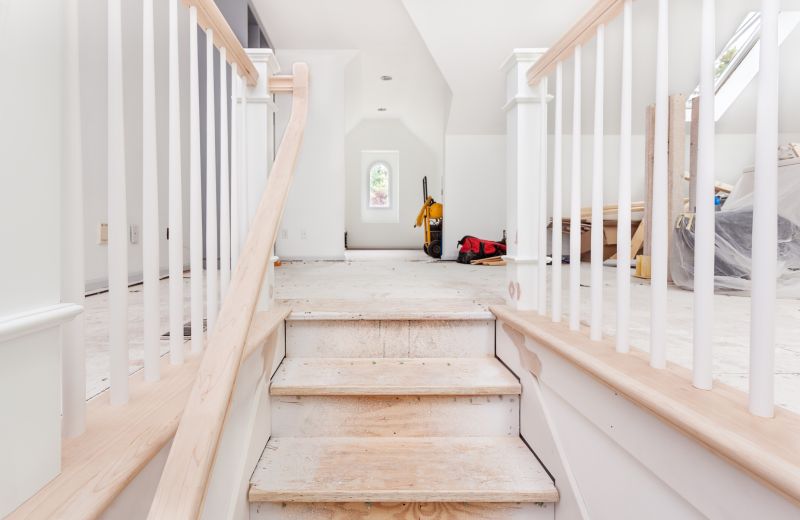
Banister Sanding in Wilmington, NC
Banister sanding services involve the careful smoothing and finishing of wooden banisters, staircases, and railings within residential properties. This process is often requested during renovations, restorations, or when updating interior decor to achieve a polished, smooth surface that enhances the overall appearance of stairways and handrails. Homeowners typically seek this service to remove surface imperfections, old paint or stain layers, and to prepare wood surfaces for refinishing or staining, ensuring a clean and attractive finish.
Before requesting banister sanding, property owners usually want to understand the scope of work, including the type of wood, the condition of the existing surface, and the desired final look. It’s also helpful to consider whether additional treatments, such as staining or sealing, are planned after sanding. Clear communication about the project’s goals can help ensure the finished result meets expectations and complements the home’s interior style.
Many property owners in Wilmington, NC look into Banister Sanding for repairs, replacements, upgrades, and appearance-related improvements.

Refinishing Old Floors
Banister sanding restores worn and scratched wood surfaces to their original beauty.
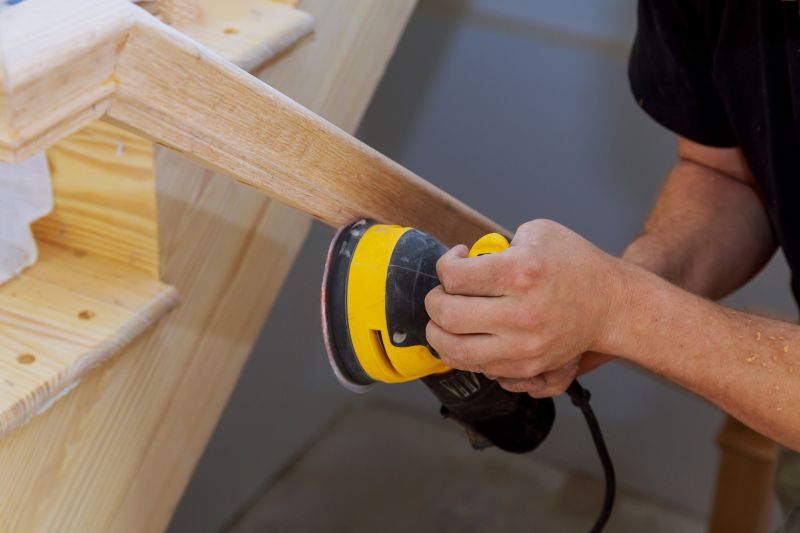
Preparing For New Finishes
Sanding creates a smooth, clean surface ideal for applying stains or sealants in homes around wilmington.
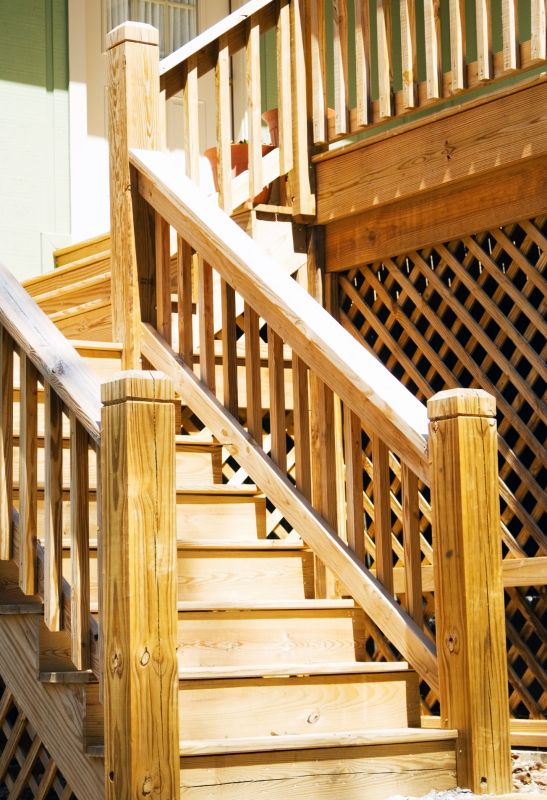
Restoring Historic Properties
Careful sanding helps preserve the character of vintage banisters and woodwork in older wilmington residences.
Banister Sanding in Wilmington, NC

Banister sanding services involve the careful smoothing and finishing of wooden banisters, staircases, and railings within residential properties. This process is often requested during renovations, restorations, or when updating interior decor to achieve a polished, smooth surface that enhances the overall appearance of stairways and handrails. Homeowners typically seek this service to remove surface imperfections, old paint or stain layers, and to prepare wood surfaces for refinishing or staining, ensuring a clean and attractive finish.
Before requesting banister sanding, property owners usually want to understand the scope of work, including the type of wood, the condition of the existing surface, and the desired final look. It’s also helpful to consider whether additional treatments, such as staining or sealing, are planned after sanding. Clear communication about the project’s goals can help ensure the finished result meets expectations and complements the home’s interior style.
Many property owners in Wilmington, NC look into Banister Sanding for repairs, replacements, upgrades, and appearance-related improvements.
Common Banister Sanding Jobs
Wooden floors - smoothing out scratches and restoring a polished appearance.
Hardwood stairs - improving safety and aesthetics by removing surface imperfections.
Floor refinishing - preparing surfaces for sealing or staining with a smooth finish.
Commercial wood surfaces - maintaining professional-looking flooring in retail or office spaces.
Furniture restoration - reviving antique or damaged wood furniture with careful sanding.
Deck surfaces - preparing wood decks for sealing or staining to extend their lifespan.


Banister Sanding Questions
What types of floors can be sanded? Sanding can be performed on hardwood, softwood, and certain engineered flooring to restore smoothness and appearance.
Is sanding suitable for old or damaged floors? Yes, sanding can help remove surface imperfections, stains, and minor damage to improve the look of aged floors.
What should homeowners know before sanding a floor? It's important to clear the area of furniture and ensure proper ventilation during the process.
Can sanding change the color of the wood? Sanding removes the top layer, which can reveal a different tone or grain pattern, especially if stained or finished previously.
Request Banister Sanding in Wilmington, NC
Use the quote form on this page to share the basics of your project and request more information for the type of work you need.